-
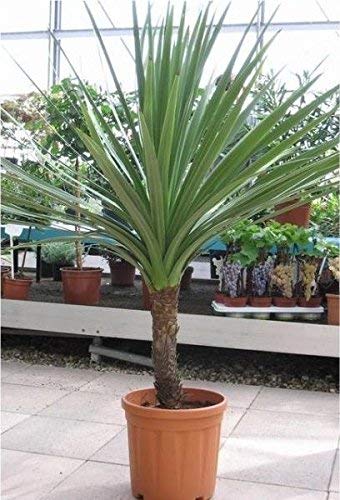 Cabbage plam, succulent plants cultivated for their swordlike leaves, striped in many colours. Price can vary according to height, large trunk up to £150
 -
 The Cordyline Can Can is evergreen, fast growing and very low maintenance. Eventual height 0.5-1m
 -
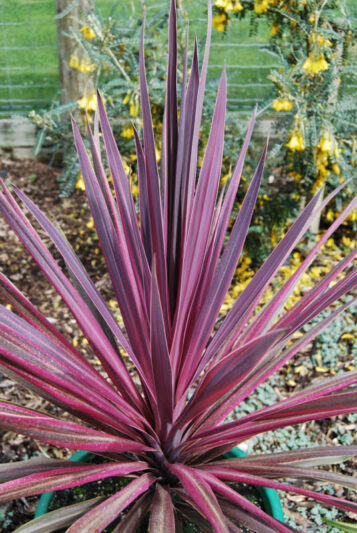 The Cordyline has an intense deep burgundy with vibrant pink colour, produces fragant, cream whie flowers in late spring. It is evergreen, totally hardy and can grow up to 2-4m over 20 years. Thrives in full sun, needs little care.
 -
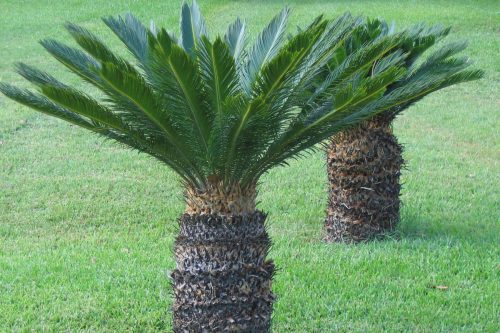 In the wild Cycas revoluta is restricted to a few of the islands of the Japanese archipelago but, worldwide, it is the most commonly cultivated cycad. This is due to its ease of culture and ability to withstand a wide range of conditions. In appearance it is the archetypical cycad forming, in time, a tall rough trunk and with crown of glossy deep green leaves at the top and often surrounded by offsets. Indoors it is best grown in a bright position or conservatory. The Sago Palm is also one of the few cycads worth trying outdoors in a milder garden,
 -
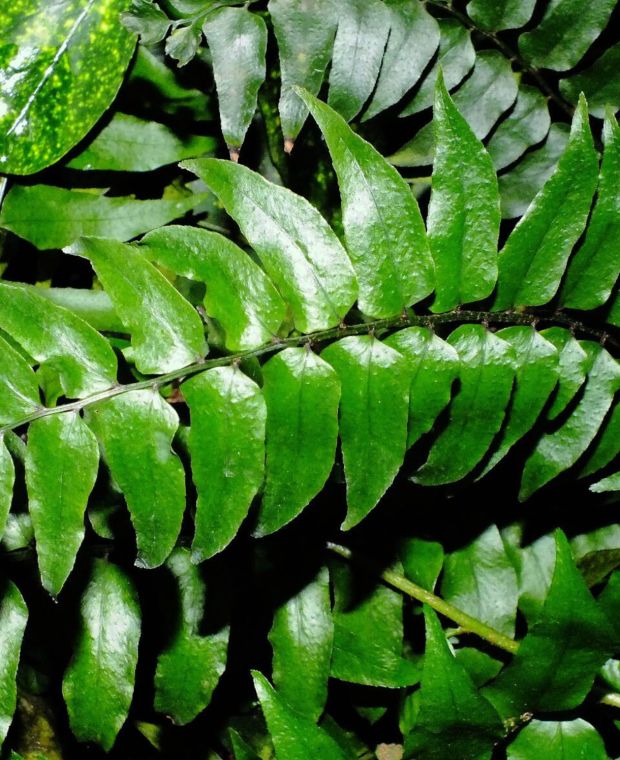 You will appreciate the lush, deep green of Cyrtomium fortunei - the ideal addition in your garden.
 -

 Sweetly fragrant, purpish-pink and white flowers in mid winter to early spring. Evergreen bush with dark glossy green, yellow-edged foliage. Ideal for borders.
 -
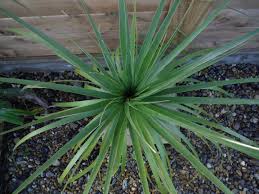 Can also be referred to as Nolina longifolia, it is a trunk-forming species which with age becomes multi-stemmed, with each trunk reaching up to 3m in height which is topped off with a head of strap-like foliage. Plant in full sun/part shady, frost hardy, keep on dry side, tolerates to -6°C or lower
 -
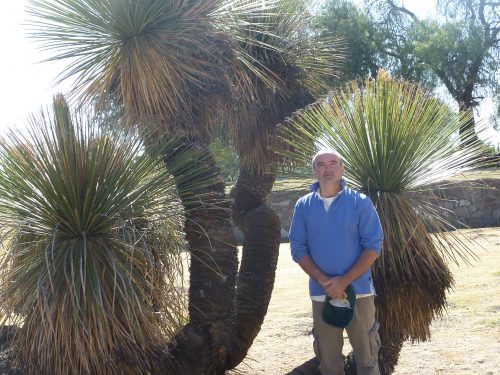 Dasylirion quadrangulatum is the correct name for a plant long known as Dasylirion longissimum. It is a succulent plant related to Yucca and Agave that slowly grows a thick, beautifully scarred trunk from which erupts a tufted head of narrow, rigid, 4-angled green leaves, each with a slightly withered tip, reminiscent of a fibre-optic lamp.
 -
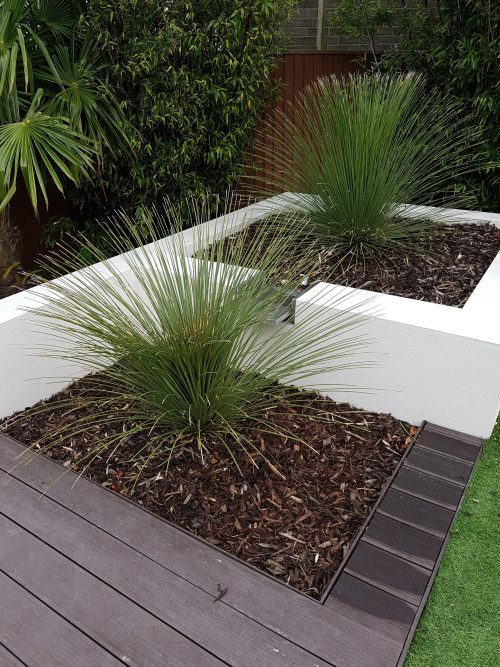 The rare and highly sought after Dasylirion longissimum, very hardy and very beautiful.
 -
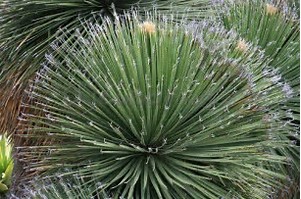 Dasylirion serratifolium is a species of Sotol from southern Mexico. However, in cultivation it is more of a 'catch-all' name for a mixed group of hybrids that have green leaves with toothed margins and terminal tufts. For all practical purposes this is unimportant to anyone other than a dasylirion specialist - in the garden they make a stunning focal point for the arid border along with Yucca, Nolina, Agave and Chamaerops with their fine-leafed 'fibre-optic lamp' appearance that contrasts well with other spiky plants. Alternatively their shape is perfect for pot culture, when they can be taken under glass for winter.
 -
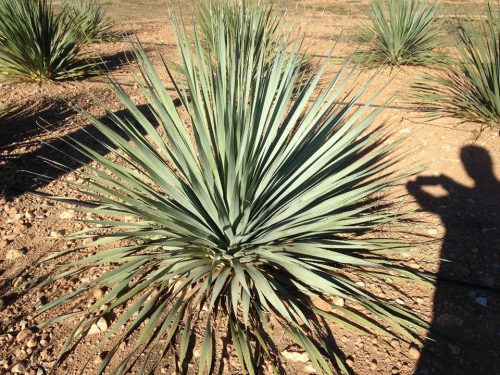 A hardy and relatively fast growing dasylirion that seems to be one of the better ones for the UK.
 -

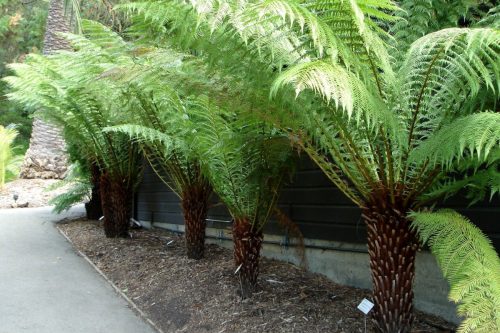 Tree Ferns This is one of the best known and one of the hardiest tree fern from Australia. This is a pride of every garden – large, bold, ancient and beautiful. If possible avoid windy sites and protect crown in winter.
 -
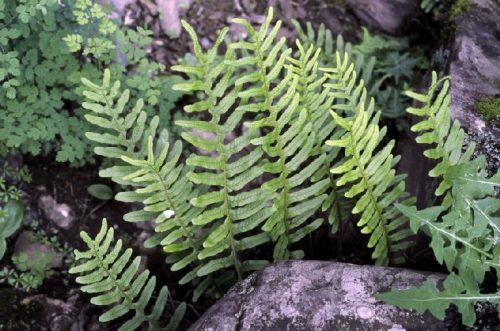 Drynaria are tropical ferns found in Eastern and South Eastern Asia, commonly called the oak leaf fern.
 -
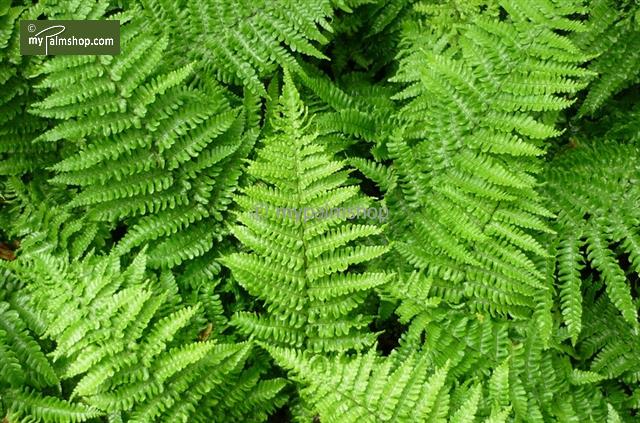 This fern likes partial shade, fully hardy. Very elegant semi-evergreen with a wavy or "crisped" rich green fronds. It is a popular ornamental plant in gardens and landscaping.
 -
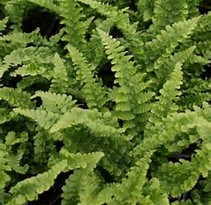 Deciduous, semi-evergreen or evergreen ferns, with stout, erect or decumbent rhizomes and shuttlecock-like rosettes of lance-shaped to ovate, pinnately divided fronds. Semi-evergreen fern with rosettes of arching, very narrow fronds, crested at the tips.
 -

This fern is a versatile and perfect choice for woodland gardens or shaded border can also look in a container. Hardy, plant in semi shade and can grow up to
0.9 m
9m pot £4.50 2 litre pot £9.50 -
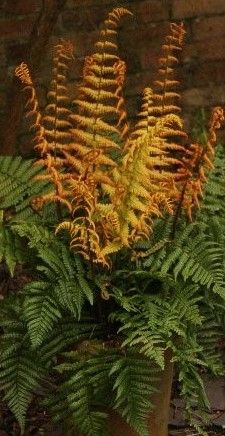 A brand new fern launched at Chelsea Flower Show in 2019 and won Best New Plant
 -
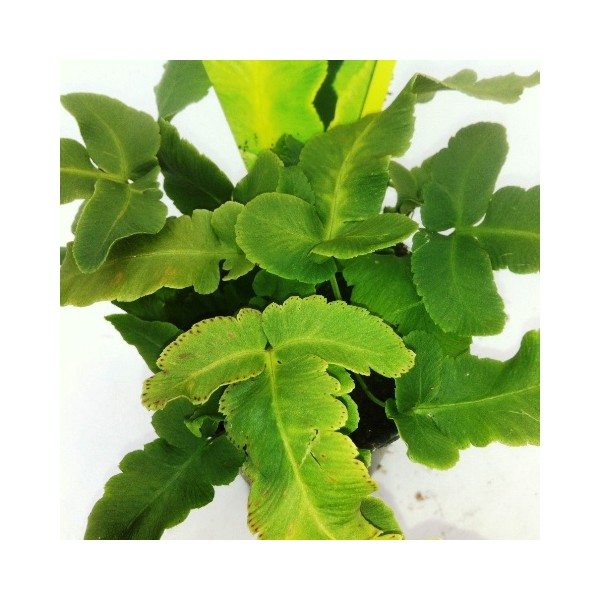 Most suited for a position in light dappled or fairly shade. Good for woodland settings and can also been grow in containers in shady areas.
 -
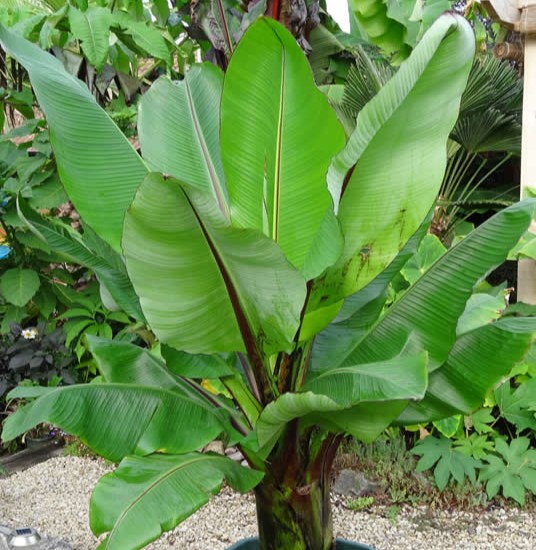 A tender perennial with erect, narrowly oblong leaves to 3m in length, the midrib red beneath, and white flowers hidden amongst deep red bracts, but rarely produced in cultivation. Various prices depending upon size.
